
Eating Disorder & Body Image Therapy
For individuals struggling with food, body image, control, perfectionism, recovery after treatment, or feeling disconnected from their body's needs and cues.
Eating disorders are rarely just about food.
What begins as a way to feel safe, more in control, more accepted, or less overwhelmed can gradually become something that takes up more and more space in your life.
The thoughts become louder.
The rules become stricter.
The self-criticism becomes harder to escape.
Over time, it can become difficult to know where you end and the eating disorder begins.
You may find yourself constantly thinking about food, your body, exercise, weight, appearance, productivity, or whether you're doing recovery "right."
At the same time, you may feel exhausted, disconnected, isolated, or unsure of who you are without the eating disorder.
Therapy provides a space to understand what the eating disorder has been trying to do for you, while helping you build a life that no longer requires it.
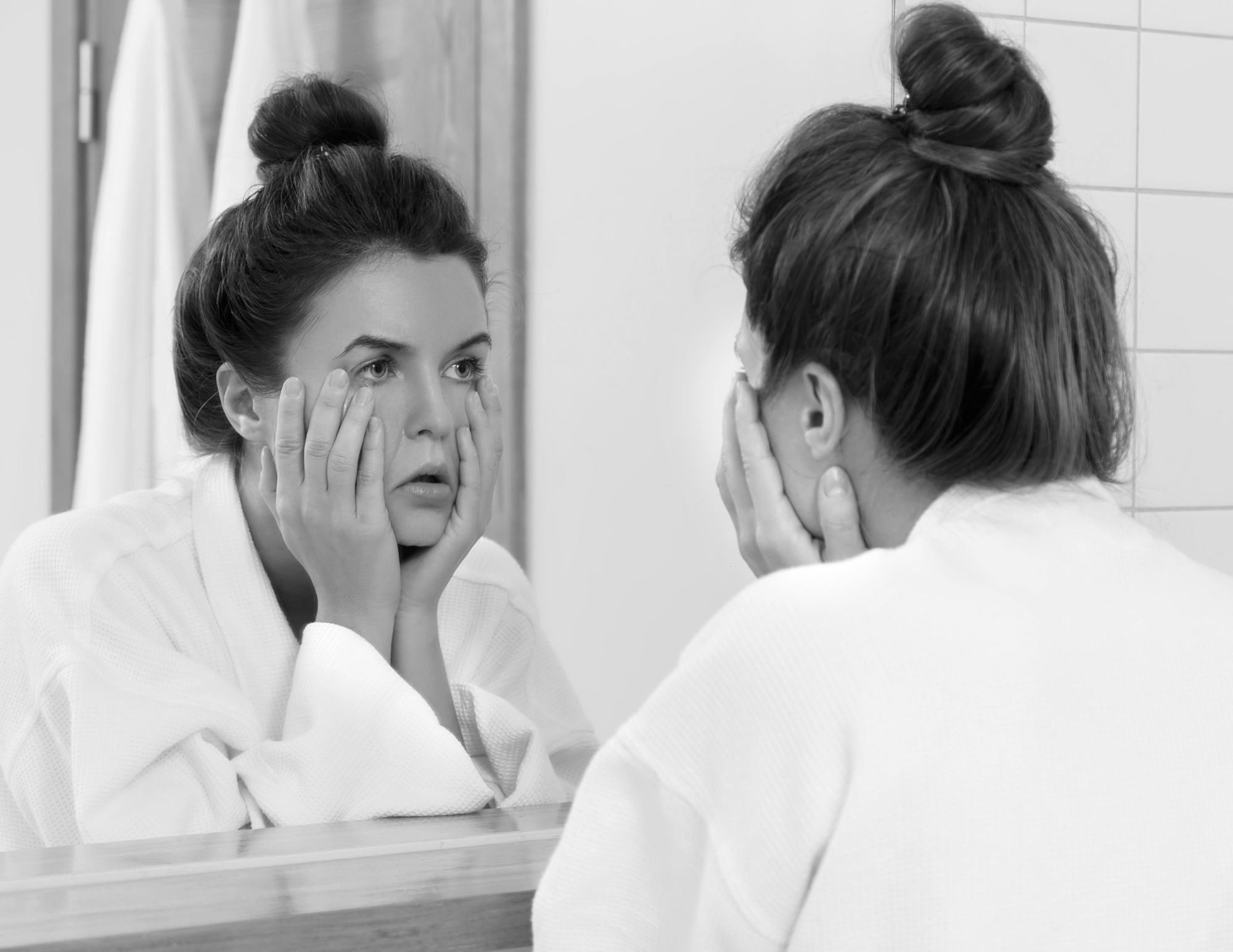
The Eating Disorder Is Often Not The Whole Story
Eating disorders often develop as ways of coping with experiences that feel overwhelming, painful, uncertain, or difficult to navigate.
For some people, food becomes a way to create control.
For others, it becomes a way to numb, soothe, avoid, distract, achieve, belong, or survive.
While food and body image may be what brings someone to therapy, the eating disorder is often not the whole story. Underneath it, we may find anxiety, perfectionism, ADHD, emotional overwhelm, relationship struggles, grief, identity questions, or a nervous system that has been carrying too much for too long.
Together, we'll explore the patterns underneath the symptoms and work toward healing that addresses the whole person, not just the eating disorder.
Beneath the eating disorder, there are often experiences such as:
Perfectionism
Anxiety
Emotional overwhelm
Trauma
Identity struggles
Low self-worth
Difficulty trusting yourself
Fear of disappointing others
Feeling disconnected from your body
The pressure to be enough
Recovery Is More Than Eating
Recovery is often misunderstood as simply eating differently.
While nutritional rehabilitation and behavior change are important, recovery is also about rebuilding a relationship with yourself.
Recovery is not about perfection.
It's about creating enough safety and trust that you no longer need the eating disorder to carry what feels unbearable.
Recovery often includes learning how to respond to difficult emotions, navigate life with greater flexibility, and reconnect with the parts of yourself that may have been overshadowed by the eating disorder. Over time, the goal becomes less about fighting yourself and more about building a life that feels meaningful, connected, and sustainable.
It can involve learning to:
Trust your body's needs
Tolerate uncertainty and discomfort
Respond to emotions without relying on eating disorder behaviors
Develop a more compassionate relationship with yourself
Reconnect with your values and identity
Build flexibility around food, movement, and daily life
Understand your nervous system and stress responses
Create a life that feels bigger than the eating disorder
Body Image Is More Than Appearance
Many people assume body image is simply about liking how you look.
Often, body image is connected to much deeper experiences.
How we feel about our bodies can become intertwined with self-worth, belonging, safety, achievement, identity, and the messages we've received throughout our lives.
Improving body image isn't about forcing yourself to love your body every day.
It's about learning to live in your body with less fear, judgment, criticism, and disconnection.
My Approach
My approach is collaborative, relational, and rooted in understanding the whole person-not just the symptoms.
Together, we'll make sense of what the eating disorder has been trying to protect, manage, or communicate. We'll explore the patterns underneath the behaviors, build awareness around the nervous system, strengthen self-trust, and create space for healing that feels sustainable rather than forced.
I often collaborate with dietitians, physicians, psychiatrists, and higher levels of care when appropriate because recovery is rarely something that should be carried alone.
Therapy is not about becoming someone different.
It's about understanding yourself enough to stop fighting yourself.
You May Benefit From Therapy If You:
Constantly think about food, weight, exercise, or appearance
Feel trapped by food rules or eating disorder thoughts
Struggle with restriction, binge eating, purging, compulsive movement, or rigid eating patterns
Feel disconnected from hunger, fullness, or body cues
Experience shame around eating or your body
Feel overwhelmed by recovery outside of treatment
Struggle with perfectionism, anxiety, or control
Feel like your identity has become tied to the eating disorder
Want support rebuilding trust with yourself and your body
When Recovery Feels Harder Than The Eating Disorder
Many people enter therapy knowing they want recovery while simultaneously feeling terrified of it.
Part of them wants freedom.
Part of them still relies on the eating disorder.
This conflict is normal.
Recovery often involves grief, uncertainty, identity shifts, and learning how to navigate emotions that the eating disorder once helped manage.
You do not have to have all of that figured out before starting therapy.
We'll make sense of it together.